
Fair Pricing, Avoiding Roof Fraud
With the average roof replacement costing between $5,000 and $15,000 (and often much more for larger or complex roofs), the stakes are high. Unfortunately, the roofing industry attracts both highly professional contractors and, in some cases, unscrupulous operators looking to exploit homeowners during vulnerable times—particularly after severe weather events.
This comprehensive guide will walk you through exactly how to review a roofing estimate for fair pricing, what details demand your close attention, and how to spot the red flags that signal a potentially fraudulent company. By empowering yourself with knowledge, you can transform from a vulnerable consumer into an informed partner in your roofing project.
The State of the Roofing Industry: Why Vigilance Matters
The roofing industry in the United States is substantial, with over $46 billion in annual revenue according to IBISWorld. This massive market, combined with the urgent nature of roof repairs (especially after storms), creates an environment where dishonest operators can thrive.
Consider these statistics:
- The National Insurance Crime Bureau reports that fraudulent roofing claims have increased significantly in recent years, particularly in storm-prone regions.
- The Better Business Bureau (BBB) received over 1.5 million complaints against contractors (including roofers) in a recent year, with a significant percentage related to pricing disputes and substandard work.
- A survey by HomeAdvisor indicated that 1 in 10 homeowners reported being scammed or severely overcharged on a home improvement project.
These numbers aren't meant to frighten you, but to emphasize that due diligence is not optional—it's essential.
Deconstructing Your Roofing Estimate: Line by Line
A professional, transparent estimate should be a detailed blueprint of your project. Here's what to look for in each section:
- Company Information & Credentials
Before you even look at the numbers, verify the source.
Full Legal Business Name, Address, and Phone Number: Be wary of P.O. boxes or out-of-state addresses if they claim to be local.
License Number: Most states require roofing contractors to be licensed. Verify this number with your state's licensing board.
Insurance Proof: They must carry both Workers' Compensation and General Liability Insurance. Ask for certificates and call the provider to confirm they are current. This protects you if a worker is injured on your property.
Local References: A legitimate, established local company will have a trail of satisfied customers.
Scope of Work & Materials Specification
Vagueness is the enemy. This section should be exceptionally detailed.
Materials: Brand, product line, color, style, and specific ASTM ratings (industry standards for durability).
Shingles: Type (3-tab, architectural, premium), wind rating (e.g., Class F - 110 mph), and warranty length.
Underlayment: Type (felt vs. synthetic), weight, and coverage.
Flashings: Material (galvanized steel, aluminum, copper).
Ventilation: Specific products and quantities for ridge, soffit, or gable vents.
Ice & Water Shield: Areas where it will be applied (required in vulnerable zones).
Work to be Performed: It should list every single step: "Remove existing shingles to sheathing," "Inspect and replace rotten decking (price per sheet)," "Install synthetic underlayment," "Install drip edge on all eaves," etc.
The Cost Breakdown
This is the heart of the estimate. A single lump sum is a red flag.
Material Costs: Itemized by the materials listed above.
Labor Costs: Clearly stated.
Waste Removal/Dump Fees: A significant cost that should be included.
Permit Costs: Who is pulling them? (The contractor should handle this.)
Line Items for "Incidentals": A small contingency (e.g., 10%) for unforeseen wood rot is actually a sign of an honest estimator who knows surprises happen. It should be clearly defined.
Total Price: With clear terms (e.g., "Net 30" or "Due upon completion").
Project Timeline & Warranty
Start and Completion Dates: Get a written schedule. While weather can cause delays, a professional will provide a target.
Manufacturer's Warranty: Details of the warranty on the materials (often 25-50 years, but requires proper installation to be valid).
Workmanship Warranty: This is crucial. The contractor should guarantee their labor for a significant period (2-10 years is standard). What does it cover? How are claims handled?
Red Flags: How to Spot a Potentially Fraudulent Roofer
Fraudulent contractors often use high-pressure tactics and exploit a lack of knowledge. Watch for these warning signs:
- The Door-to-Door "Storm Chaser": They appear unsolicited after a storm, often from out of state, offering a "free inspection" and claiming to find "hidden damage."
- Pressure to Sign Quickly: They demand you sign a contract immediately to "lock in a special price" or because "materials are limited."
- Demanding Large Upfront Payments: Reputable roofers may require a deposit to schedule and order materials (10-30% is reasonable), but never the full amount upfront.
- Cash-Only Deals: This is a major red flag for tax evasion and a lack of legitimate business footing.
- No Physical Address or Verifiable History: They operate out of a truck with a temporary phone number.
- The "Your Insurance Will Cover It All" Promise: They offer to handle your insurance claim and suggest you won't pay a dime. This is often a setup for insurance fraud, where they inflate the estimate to match your deductible.
- Vague or Unprofessional Documentation: Handwritten quotes on generic forms, missing details, and spelling errors.
- Unmarked Vehicles: Professional, established businesses brand their vehicles and uniforms.
Comparison Guide: Spotting Red Flags in Roofing Estimates
Your Action Plan: Steps to Secure a Fair Deal
- Get Multiple Estimates: Always get at least three detailed estimates from established local companies. This is the single best way to gauge fair market pricing.
- Verify Everything: Check licenses, insurance, and BBB profiles. Read online reviews on multiple platforms (Google, Facebook, specialized sites).
- Ask About the Crew: Are employees or subcontractors used? Are they background-checked? Who supervises the site?
- Understand the Process: Ask how they will protect your landscaping, where debris will go, daily cleanup procedures, and their safety protocols.
- Review the Contract Thoroughly: Ensure every detail from the estimate is captured in the final contract before you sign. Never sign a contract with blank spaces.
- Communicate with Your Insurance: If it's an insurance claim, maintain communication with your adjuster. A reputable roofer will be happy to meet with them.
- Trust Your Gut: If something feels off, it probably is. Walk away from high-pressure sales tactics.
Conclusion: An Investment in Peace of Mind
Your roof is your home's first line of defense. The process of hiring a roofer shouldn't undermine the security it provides. By meticulously reviewing estimates for transparency, detail, and fair pricing, and by vigilantly watching for the hallmarks of fraud, you protect more than just your money—you protect your home and your peace of mind.
Remember, the cheapest estimate is often the most expensive in the long run. Value quality materials, skilled craftsmanship, clear communication, and a company that stands behind its work with iron-clad warranties. We are a family-owned, local roofing contractor. At Skye Roofing we built our reputation on this very foundation: treating every home as if it were their own and every estimate as a promise.
Ready for a transparent, fair assessment of your roofing needs? Contact Skye Roofing today for a detailed, no-obligation estimate you can review with confidence. We're proud to serve our community, one honest roof at a time.
Roof Replacement Guide
Our free Medford roofing replacement checklist will help you manage the roofing project for your home.
Don't get confused with terms used to describe roofing materials. This is a roofing term glossary we provide to help you understand the details of roof components.
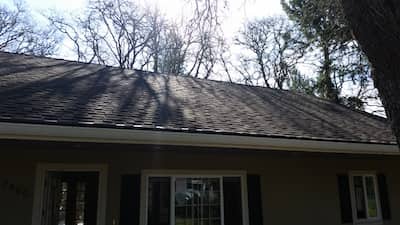
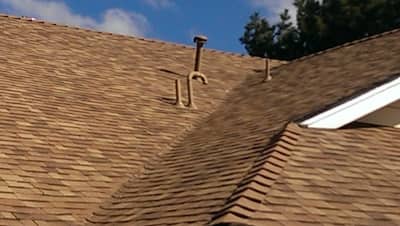
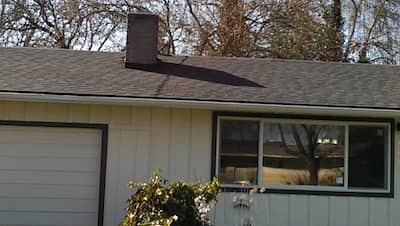
Comprehensive Roofing Services In Rogue Valley
Skye Roofing maintains an exceptional approval rating from our customers as well as with local business organizations. Check out our customer reviews above.
Getting a roof repaired is something most homeowners dread, and when the roof does need repair, it is important to get not only the finest quality materials available but the best price on installing those materials as well. Most of us will start the process by getting an estimate of roof repair from a few roofing companies, be sure that you understand the elements of what you are reading in that document.